How Transaction Methods Shape Tiered Loyalty Structures and Assistance Protocols in App-Based Wagering Ecosystems
Theo Keller · Aug 19, 2026
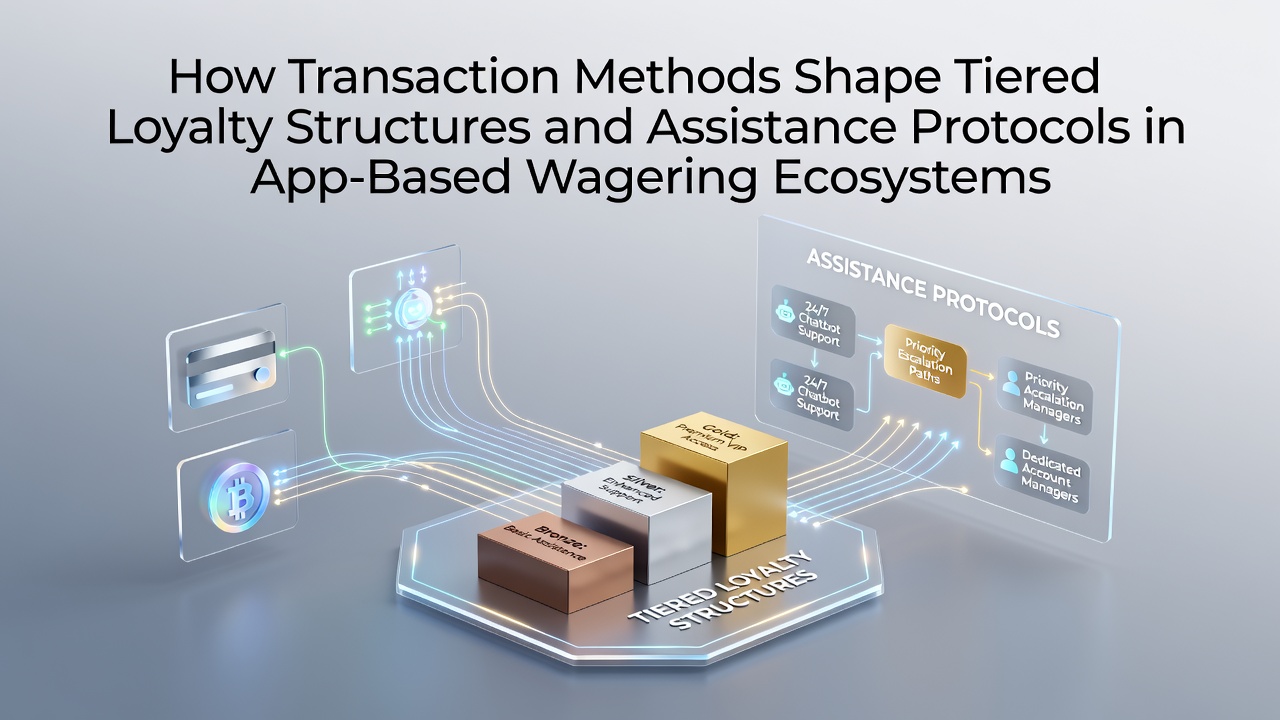
How Transaction Methods Shape Tiered Loyalty Structures and Assistance Protocols in App-Based Wagering Ecosystems
Transaction methods in app-based wagering ecosystems determine how platforms build tiered loyalty structures and support protocols, with payment options such as credit cards, e-wallets, bank transfers, and cryptocurrencies creating distinct pathways for user rewards and assistance access. Data from multiple jurisdictions shows that deposit speed, transaction fees, and verification requirements directly influence tier progression rates and the priority level assigned to customer support requests. Observers note that platforms adjust loyalty algorithms based on the average transaction volume and risk profile associated with each payment type, which in turn shapes eligibility for cashback percentages, bonus multipliers, and dedicated account managers.
Payment Methods and Their Role in Tier Qualification
App operators categorize users according to the payment rails they prefer, and these categories feed into automated systems that calculate loyalty points. Credit and debit card transactions typically generate standard point accrual rates because of established chargeback protections and moderate processing costs, whereas cryptocurrency deposits often receive accelerated multipliers due to lower fees and instant settlement times. Research indicates that e-wallet users, including those on services like PayPal and Skrill, frequently land in mid-tier brackets because of recurring usage patterns and streamlined verification flows. In August 2026 regulatory updates across several North American markets highlighted how these distinctions affect compliance reporting, with platforms required to log payment-specific metrics for anti-money laundering reviews.
Bank wire transfers tend to place users into higher tiers more slowly since they involve longer settlement periods and higher minimum amounts, yet they unlock specialized assistance channels once thresholds are met. Those who have examined platform data across regions report that cryptocurrency transactions correlate with faster tier advancement in jurisdictions where digital assets receive explicit regulatory approval, while card-based activity dominates in markets with stricter banking restrictions.
Influence on Assistance Protocols and Support Prioritization
Support protocols adjust dynamically according to the transaction method employed, with high-velocity payment users routed to specialized teams equipped to handle complex queries about settlement times and bonus wagering requirements. Platforms maintain separate queues for cryptocurrency users because blockchain confirmation delays introduce unique troubleshooting needs, whereas e-wallet support often integrates directly with third-party providers for real-time resolution. Figures from industry reports reveal that users depositing via instant bank transfers receive priority callback scheduling compared with those relying on traditional card processing that can take several days to clear.
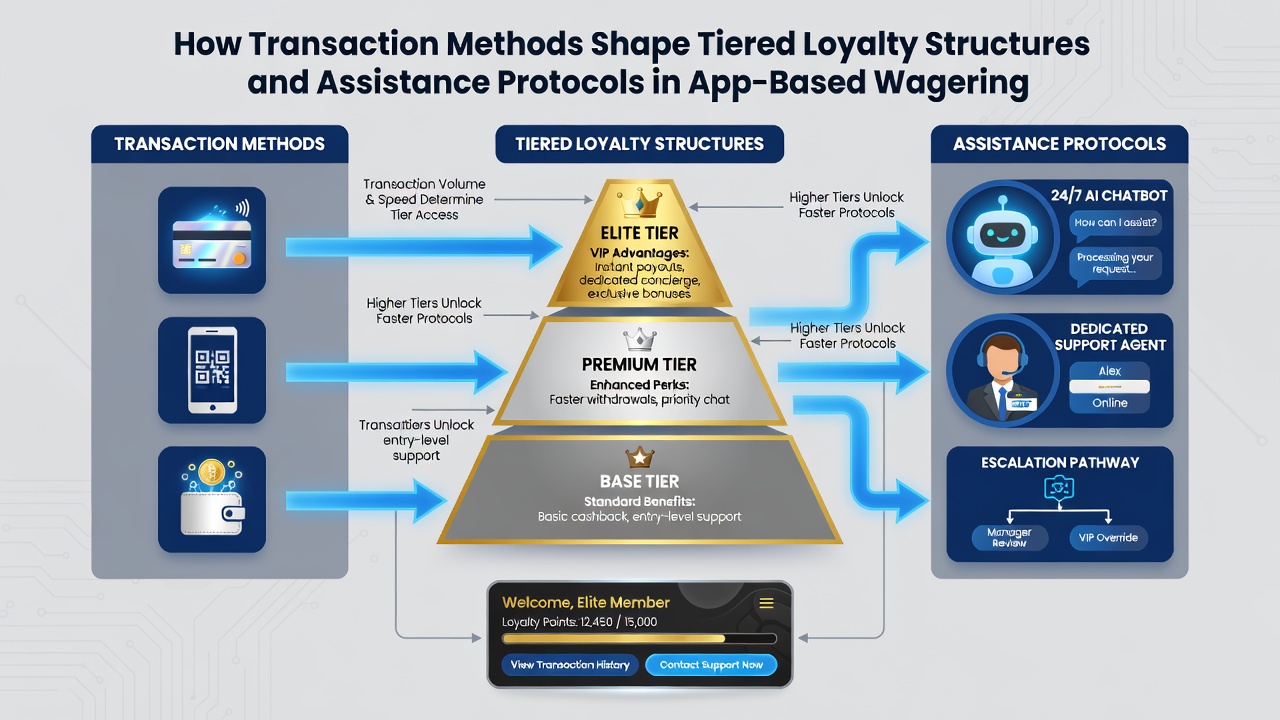
Assistance protocols also incorporate risk scoring tied to payment provenance, so users completing large cryptocurrency withdrawals may encounter enhanced identity verification steps before receiving expedited responses. Data shows that loyalty tier status, when combined with preferred transaction method, determines whether a user accesses live chat with senior agents or receives only standard ticket-based replies. In practice, platforms document these linkages to demonstrate adherence to responsible gambling frameworks established by bodies such as the Responsible Gambling Council in Canada.
Regional Regulatory Context and Platform Adaptations
European and Australian markets demonstrate contrasting approaches, where payment method transparency requirements affect how loyalty structures are disclosed to users. The Victorian Commission for Gambling and Liquor Regulation has published guidance requiring operators to explain how deposit methods influence reward calculations. Platforms operating in these environments therefore publish tier criteria that explicitly reference transaction velocity and method-specific multipliers, allowing users to anticipate progression timelines. Observers note that such disclosures reduce disputes over bonus eligibility while aligning with broader consumer protection standards.
Technical integrations between payment processors and loyalty engines continue to evolve, with application programming interfaces enabling real-time updates to tier status based on completed deposits and withdrawals. This connectivity allows support systems to reference transaction history when prioritizing cases, creating a feedback loop that reinforces the relationship between payment choice and service level.
Conclusion
Transaction methods serve as foundational inputs that define both loyalty tier boundaries and the configuration of assistance protocols across app-based wagering platforms. Evidence from regulatory filings and operational reports confirms that payment characteristics such as speed, cost, and verification demands directly determine reward structures and support prioritization logic. As markets continue to refine rules around digital payments, platforms maintain these linkages to ensure consistent application of tier benefits and responsive customer service across diverse user segments.