Patterns in Digital Payment Adoption and Their Influence on Reward Tier Progression in Portable Wagering Systems
Mara Lehmann · Aug 24, 2026
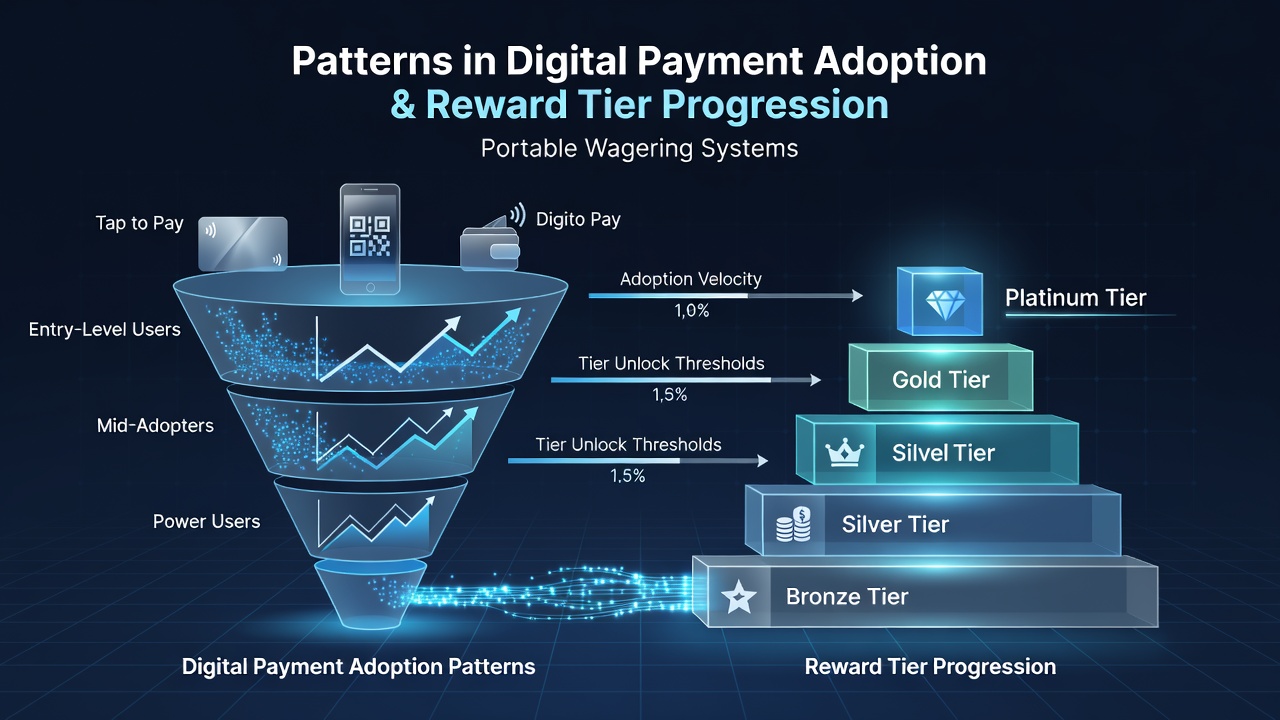
Patterns in Digital Payment Adoption and Their Influence on Reward Tier Progression in Portable Wagering Systems
Digital Payment Trends in Mobile Wagering
Digital payment methods have expanded across portable wagering platforms since the early 2020s, with e-wallets, instant bank transfers, and mobile apps becoming primary options for users in regulated markets, and data from the Australian Institute of Family Studies shows that transaction volumes through these channels grew steadily through 2025 as operators integrated faster processing times that reduce delays between deposits and active play.
By August 2026, several North American and European jurisdictions reported that over 70 percent of wagering activity on mobile devices occurred via digital wallets rather than traditional card methods, according to figures compiled by the Canadian Centre on Substance Use and Addiction, which tracks payment patterns in provincial gaming systems.
Reward Tier Structures and Progression Mechanics
Portable wagering systems typically organize loyalty programs into multiple tiers that unlock based on cumulative activity metrics such as deposit frequency, total wagered amounts, and session duration, and these structures reward consistent engagement with benefits including enhanced bonus rates, priority support access, and exclusive event invitations.
Operators design tier advancement around verifiable transaction data because digital payments generate timestamped records that feed directly into automated tracking algorithms, whereas slower methods like bank wires create gaps that delay point allocation and slow progression for users who rely on them.
Connections Between Payment Choices and Tier Advancement
Adoption patterns reveal that users who shift early to instant digital options accumulate qualifying activity at higher rates because settlement occurs within seconds rather than hours or days, which allows continuous play cycles that compound toward the next reward level without interruption. Research from the University of Nevada's International Gaming Institute indicates that platforms integrating real-time payment rails see average tier climb times shorten by 15 to 25 percent compared with systems that retain legacy processing steps.
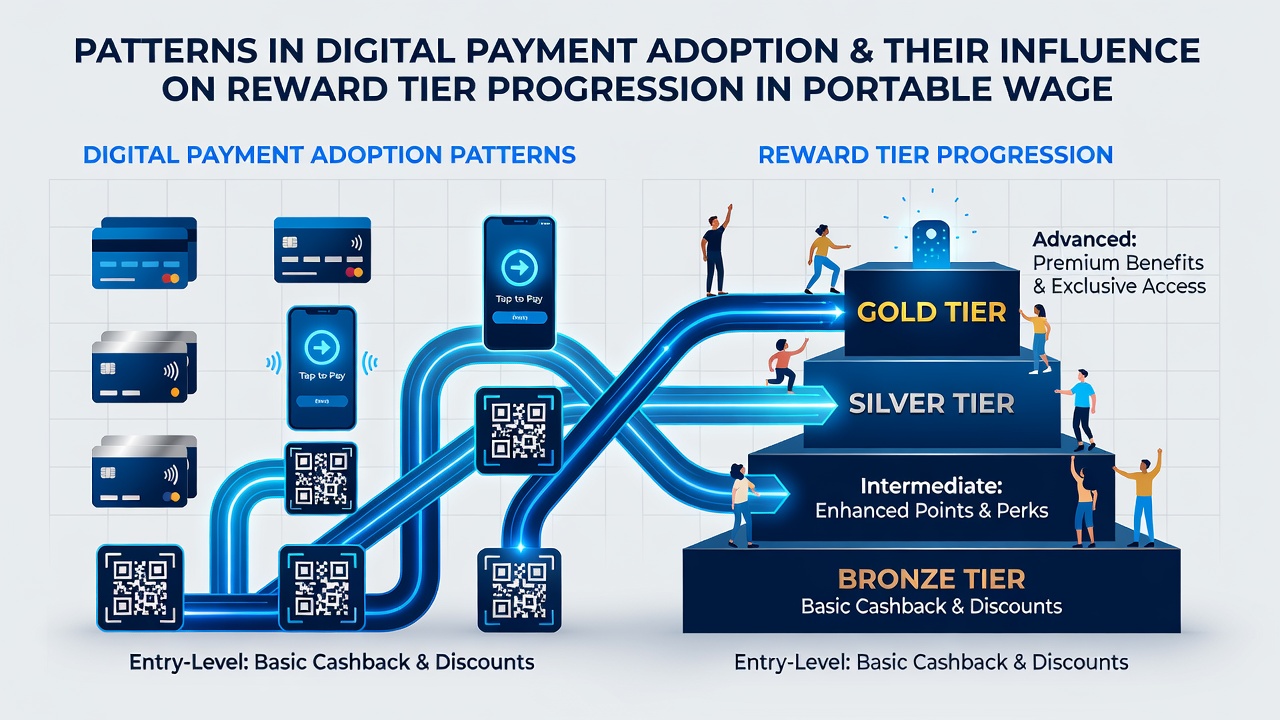
Regional differences appear in these dynamics as well, with markets that mandate open banking standards experiencing quicker uptake of low-friction transfers that correlate with accelerated movement through entry-level tiers into mid-tier status, while areas with stricter verification rules show more gradual shifts yet still demonstrate measurable links between payment speed and loyalty metric growth.
Case Examples from Regulated Markets
One study released by the Victorian Responsible Gambling Foundation examined user cohorts across multiple operators and found that participants who adopted digital wallet options within the first three months of account creation reached the second reward tier at nearly twice the rate of those who continued using card-based methods exclusively. Similar patterns emerged in provincial data from Ontario where instant bank transfer adoption coincided with higher monthly activity volumes that directly translated into faster point thresholds being met.
Observers note that these outcomes stem from the seamless loop created when deposits clear immediately and withdrawals return funds quickly, both of which encourage repeated engagement cycles that the tier algorithms measure and reward.
Technical and Regulatory Factors Shaping Outcomes
Portable systems rely on secure APIs that connect payment providers to loyalty engines, ensuring every completed transaction updates user profiles in real time, and regulatory frameworks in multiple jurisdictions require audit trails that reinforce the accuracy of these automated progressions. Platforms that support a wider array of digital methods tend to record broader user participation across payment types, which in turn diversifies the data points available for tier calculations and reduces concentration around single channels that might otherwise create bottlenecks.
Conclusion
Patterns in digital payment adoption continue to intersect with reward tier mechanics in portable wagering systems through measurable effects on transaction speed, frequency, and tracking precision, as evidenced by ongoing data collection efforts from research institutions and regulatory bodies across different regions. These connections remain visible in performance metrics that operators publish or share with oversight agencies, providing ongoing visibility into how payment infrastructure supports the operational flow of loyalty programs.